Healicure · Fullstack · 2021 - 2023
AI-EMR Yejin Clinic
An AI-assisted EMR system for Korean medicine clinics
Visit Service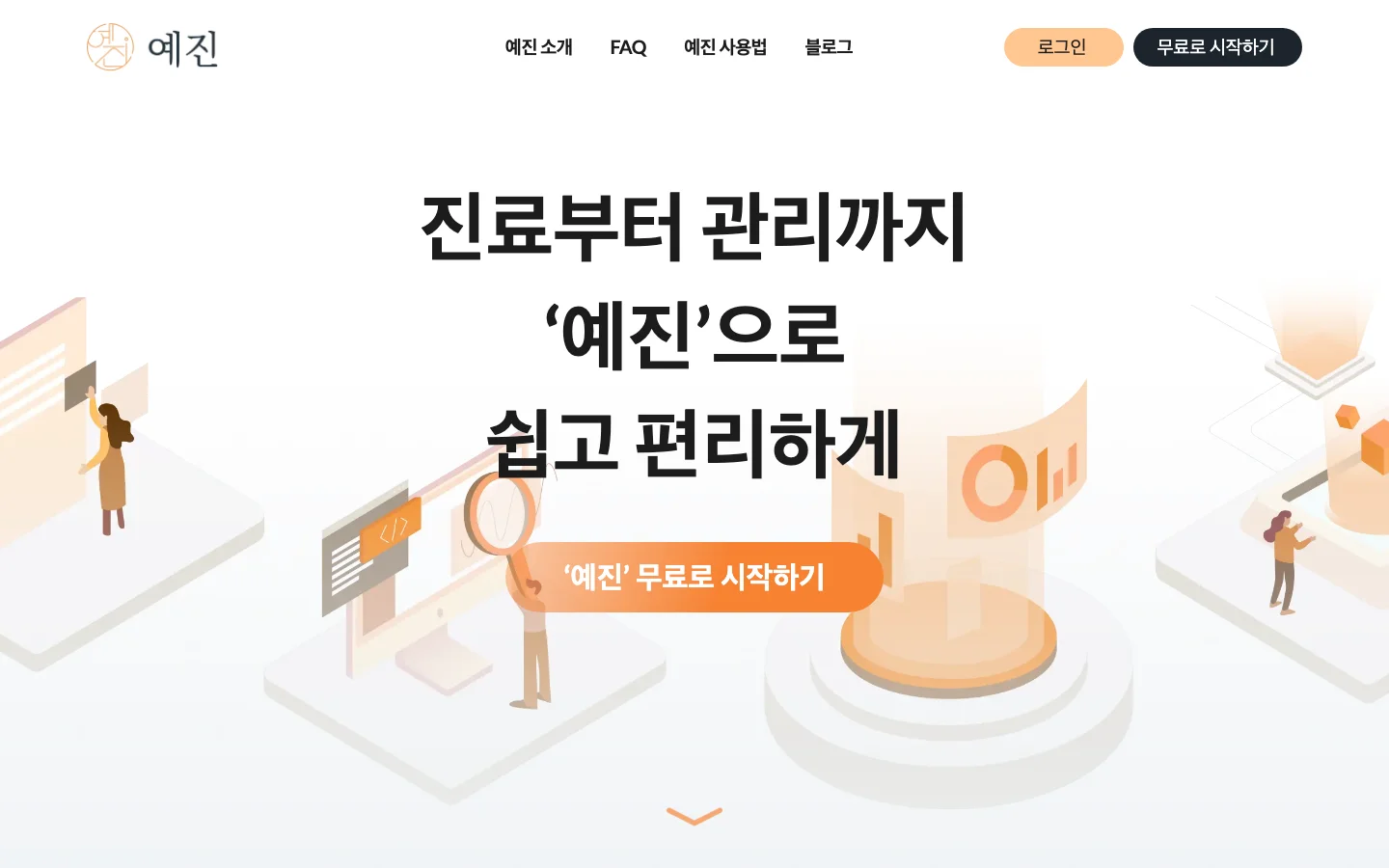
Project Overview
A multi-tenant EMR system implementing clinical records and prescription-support workflows with React, AWS Amplify Gen1, Lambda, GraphQL, and DynamoDB.
An AI-assisted electronic medical record system for Korean medicine clinics
Yejin digitizes clinical records and prescription-support workflows for Korean medicine clinics. The implementation covers the frontend, AWS backend, and deployment structure, with particular attention to per-clinic data isolation, user permissions, and clinical-data access patterns.
Key Implementations
- Clinical-record UI: Build patient and encounter flows plus a prescription-support interface with React and TypeScript
- Multi-tenant identity: Define per-clinic user and authorization boundaries with AWS Amplify Gen1 and Cognito
- Data isolation: Design DynamoDB keys around clinic, patient, and encounter access patterns
- GraphQL API: Shape queries and responses around the clinical data required by each workflow
- Serverless backend: Run APIs and prescription-support logic in Lambda
- Infrastructure as code: Manage environments and deployment configuration through CloudFormation
Technical Architecture
1. Frontend & Auth
- ReactJS · TypeScript: EMR UI and prescription-support interface
- AWS Amplify Gen1: Multi-tenant application configuration
- Cognito: User authentication and authorization
2. Backend & Data
- Lambda · GraphQL: APIs and prescription-support logic
- DynamoDB: Access-pattern-driven key design and per-clinic data boundaries
- CloudFormation: Infrastructure as code and deployment automation
Key Technologies
ReactJS, TypeScript, AWS Amplify Gen1, Lambda, DynamoDB, GraphQL, Cognito, CloudFormation
Developed with React, AWS Amplify Gen1, and an AI-assisted EMR workflow for Korean medicine clinics.
Implementation period and current service
Technical details describe my implementation work during 2021–2023. The cover shows the current public service page captured October 9, 2026; it does not describe the service’s entire current technology stack.